Indian Councils Act, 1892
Content
- Introduction
- Background and Causes
- Objectives
- Key Provisions
- Significance of the Act
- Limitations of the Act
- Impact
- Conclusion
- FAQs
Introduction
The Indian Councils Act, 1892 was an important constitutional reform enacted by the British Parliament to modify the legislative framework established under the Indian Councils Act of 1861. The Act emerged during a period of growing political consciousness in India and represented the British government’s attempt to accommodate some of the demands of educated Indians while maintaining colonial control.
Although the Act did not introduce responsible government or direct elections, it marked a significant stage in India’s constitutional evolution. It enlarged legislative councils, increased Indian participation in governance, introduced the principle of indirect election, and allowed limited discussion on financial matters. For these reasons, the Act is often regarded as a bridge between the Indian Councils Act of 1861 and the more substantial reforms introduced under the Indian Councils Act of 1909 (Morley-Minto Reforms).
Background
The last quarter of the nineteenth century witnessed the emergence of a politically conscious Indian middle class. Western education, the spread of newspapers, and exposure to liberal political ideas encouraged Indians to seek a greater role in administration. The most important development in this regard was the establishment of the Indian National Congress in 1885.
The early Congress leaders, often referred to as Moderates, believed in constitutional methods and sought gradual reforms within the British Empire. Among their principal demands were the expansion of legislative councils, greater representation of Indians, the introduction of elected members, and the right to discuss financial matters in the legislature.
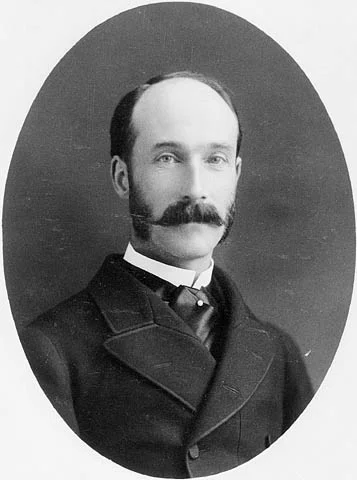
The Indian Councils Act of 1861 had provided only a limited and largely symbolic role to Indians. Legislative councils remained dominated by officials and possessed very few powers. As political pressure increased, the British government found it necessary to introduce reforms. Consequently, the Indian Councils Act, 1892 was enacted during the tenure of Lord Lansdowne and was introduced in the British Parliament by Lord Cross, the Secretary of State for India.
Objectives of the Indian Councils Act, 1892
The principal objective of the Act was to respond to the growing demands of educated Indians without substantially weakening British authority. The British administration sought to create an impression of political progress while ensuring that effective power remained in official hands.
Another objective was to broaden the legislative base of the government by increasing the number of members in legislative councils. The British hoped that the inclusion of more Indians would reduce political dissatisfaction and strengthen the legitimacy of colonial rule.
The Act also aimed to improve legislative functioning by permitting limited discussion on public finances and by providing members with the right to question the executive. These provisions were intended to create a semblance of accountability without introducing genuine parliamentary government.
Key Provisions of the Act
Expansion of Legislative Councils
One of the most important features of the Act was the enlargement of both Central and Provincial Legislative Councils. The number of additional members in the Governor-General’s Legislative Council was increased, and provincial councils were similarly expanded. This enabled a greater number of Indians to enter legislative institutions and participate in public affairs.
The increase in membership reflected British recognition of the growing political aspirations of Indians. However, despite this expansion, the official majority was retained at the Centre, ensuring that government policies could not be effectively challenged.
Expansion of Provincial Legislative Councils
| Province/Council | Strength after the Act |
| Central Legislative Council | Minimum 10 and Maximum 16 additional members |
| Bombay | Up to 8-20 members |
| Madras | Up to 20 members |
| Bengal | Up to 20 members |
| North-Western Provinces | Up to 15 members |
| Oudh | Up to 15 members |
Introduction of the Principle of Indirect Election
The most significant constitutional contribution of the Act was the introduction of the principle of election, though the term “election” was deliberately avoided in the legislation.
The Act empowered local bodies such as municipalities, district boards, universities, chambers of commerce, trade associations, and zamindari groups to recommend individuals for nomination to legislative councils. Technically, these members were nominated by the government, but in practice they were selected through recommendations from representative institutions.
This system introduced the concept of indirect elections into Indian constitutional practice and marked the first movement towards representative government. Although limited and controlled, it established a principle that would be expanded in later reforms.
Increased Indian Representation
The Act increased the number of non-official members in both central and provincial legislative councils. As a result, more educated Indians found opportunities to participate in legislative activities.
This provision enabled prominent Indian leaders to enter legislative bodies and articulate public grievances within constitutional forums. The councils gradually became platforms where nationalist leaders could criticize government policies and develop parliamentary skills.
However, Indian representation remained limited because the government retained the power of nomination and official members continued to dominate the central legislature.
Right to Discuss the Budget
For the first time in Indian constitutional history, members of legislative councils were permitted to discuss the annual financial statement or budget.
This was an important development because financial policy lay at the heart of colonial governance. Members could express opinions on government expenditure and revenue policies, thereby drawing attention to issues affecting the Indian population.
Nevertheless, the powers granted remained highly restricted. Members could discuss the budget but were not permitted to vote on it or move amendments. Consequently, financial control continued to remain entirely in the hands of the executive.
Right to Question the Executive
The Act granted members the right to ask questions on matters of public interest. This provision represented a modest step towards executive accountability.
Members were required to provide six days’ notice before asking a question. Moreover, they were not allowed to ask supplementary questions, which significantly reduced the effectiveness of this right.
Despite these limitations, the provision introduced the concept of legislative scrutiny and enabled public issues to be raised within official forums.
Significance of the Act
First Step Towards Representative Government
The greatest significance of the Act lies in the fact that it introduced the principle of representation into Indian governance. Although elections were indirect and carefully controlled, the Act marked the beginning of the electoral principle in India’s constitutional development.
This was the first time that institutions outside the government were involved in the selection of legislative members. Consequently, the Act is often regarded as the first step towards representative government in modern India.
Expansion of Political Participation
The enlargement of legislative councils created opportunities for a greater number of Indians to participate in governance. It enabled educated Indians to gain experience in legislative procedures and public administration.
The councils became important training grounds for future nationalist leaders. Many prominent political figures developed their debating skills and constitutional understanding through participation in these institutions.
Recognition of Public Opinion
By allowing discussions on budgets and public matters, the Act acknowledged the growing importance of public opinion in governance.
Although the powers granted were limited, the government could no longer completely ignore criticism voiced within legislative councils. The Act therefore contributed to the gradual emergence of a political culture based on debate and accountability.
Achievement of the Early Nationalists
The Act represented the first significant constitutional concession secured through the efforts of the Indian National Congress. Many of the reforms reflected demands that had been repeatedly raised by Moderate leaders since the Congress’s establishment.
While the concessions were modest, they demonstrated that organized political pressure could influence British policy. This strengthened faith in constitutional methods among early nationalist leaders.
Limitations of the Act
- Despite its constitutional importance, the Indian Councils Act, 1892 was widely criticized for its inadequacy.
- The Act did not introduce direct elections. The electoral process remained indirect and carefully controlled by the colonial administration. The government deliberately avoided recognizing the principle of popular representation.
- Legislative councils continued to possess very limited powers. Members could discuss the budget but could not vote on it. They could ask questions but were prohibited from asking supplementary questions. Consequently, the executive remained virtually unaccountable.
- Official members continued to dominate the Central Legislative Council, ensuring that government policies could not be effectively challenged. Real authority remained concentrated in the hands of the Viceroy and the colonial bureaucracy.
- Indian nationalists also criticized the limited nature of representation. The nominated members largely belonged to elite sections of society and did not represent the broader population. As a result, the reforms failed to satisfy the growing aspirations of politically conscious Indians.
Impact on the National Movement
The limited nature of the reforms produced mixed reactions among Indian political leaders. Moderate leaders initially welcomed the Act as a step forward, viewing it as evidence that constitutional agitation could yield results.
However, many nationalists soon became disappointed with its restricted provisions. The inability of legislative councils to exercise meaningful influence exposed the limitations of British reforms. This growing frustration contributed to the rise of a more assertive nationalist outlook during the early twentieth century.
The inadequacies of the Act strengthened demands for broader political rights and eventually paved the way for the Morley-Minto Reforms of 1909. In this sense, the Act simultaneously encouraged constitutional politics and stimulated more vigorous nationalist demands.
Conclusion
The Indian Councils Act, 1892 marked an important stage in the constitutional development of British India. It expanded legislative councils, increased Indian participation, introduced the principle of indirect elections, and permitted limited discussion of financial matters and executive actions. Although these reforms fell far short of Indian expectations and left real power firmly in British hands, they introduced important constitutional principles that would shape future reforms.
FAQs
Q1. What is the Indian Councils Act, 1892?
The Indian Councils Act, 1892 was a constitutional reform enacted by the British Parliament to increase Indian participation in the legislative process.
Q2. Why was the Indian Councils Act, 1892 introduced?
It was introduced in response to growing political awareness and demands for greater representation made by the Indian National Congress and other Indian leaders.
Q3. What were the main features of the Indian Councils Act, 1892?
Expansion of Central and Provincial Legislative Councils
Increase in the number of additional members
Introduction of the principle of indirect election (though not officially termed elections)
Members allowed to discuss the annual budget
Members could ask questions on public matters
Q4. How were members selected under the Act?
The Act introduced a system of nomination based on recommendations from local bodies, chambers of commerce, municipalities, and universities, laying the foundation for indirect elections.
Q5. What new legislative powers were granted to members?
Members were allowed to:
Discuss the annual budget
Ask questions on public issues (subject to prior notice)
However, they could not vote on the budget or ask supplementary questions
Click on the question to see the Answers
Visit LevelUp IAS- Click Here