Chabahar Port
Content
Why in News
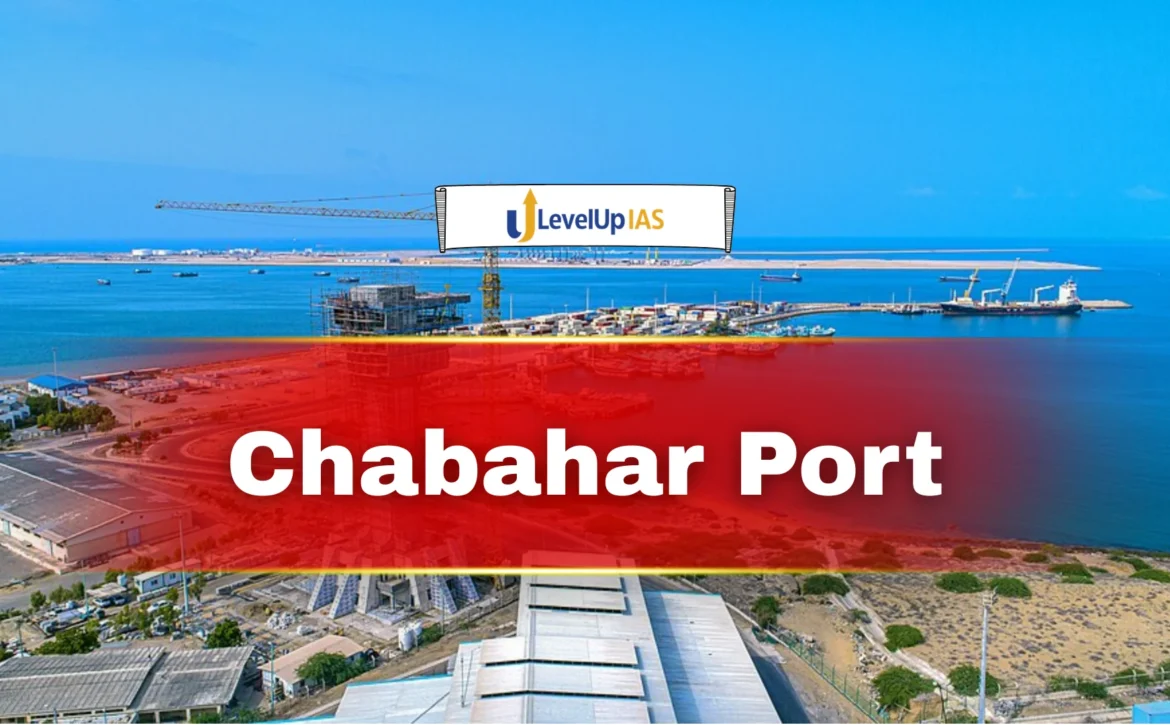
Chabahar Port is a deep-water port located on the southeastern coast of Iran along the Gulf of Oman. It is the only Iranian port with direct access to the Indian Ocean, making it strategically important for regional trade and connectivity. India has been developing the port, particularly the Shahid Beheshti terminal, as part of its broader connectivity strategy linking South Asia with Central Asia and Eurasia.
In the current geopolitical environment, particularly amid escalating tensions between the United States and Iran, the Chabahar port has gained renewed attention because it represents a key element of India’s strategic and economic outreach in West Asia.
Background of India’s Involvement
- India and Iran agreed to cooperate on the development of Chabahar in 2003, with the objective of building a regional trade hub and improving connectivity to Afghanistan and Central Asia.
- The port is operated through India Ports Global Limited (IPGL), a government-owned company. Since 2018, India has managed container and cargo operations at the Shahid Beheshti terminal.
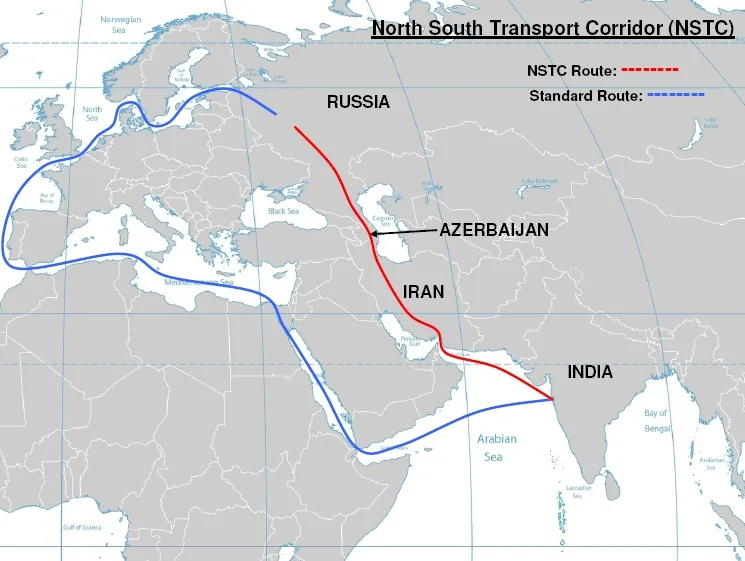
- The project also connects with the International North-South Transport Corridor (INSTC), a multi-modal transport network linking India with Russia and Europe through Iran and Central Asia.
Relevance in the Context of the US-Iran Conflict
1. Geopolitical Sensitivity: The escalation of tensions between the United States and Iran has increased uncertainty around regional trade routes and maritime security. Recent military incidents have widened the conflict beyond the Middle East region.
2. Sanctions and Economic Pressures: US sanctions on Iran complicate India’s involvement in the port. Washington has granted only temporary waivers allowing India limited engagement with the project.
3. India’s Strategic Balancing: India must maintain a careful diplomatic balance between:
- Its partnership with the United States
- Its historical ties with Iran
- Its growing relations with Israel and Gulf countries
4. Risk to Regional Connectivity: If the conflict escalates further, infrastructure projects linked to Chabahar and the INSTC could face disruptions, affecting trade routes connecting India with Eurasia.
Significance of Chabahar Port for India
1. Alternative Access to Afghanistan and Central Asia
Chabahar provides India a direct trade route to Afghanistan and Central Asia while bypassing Pakistan, which has historically denied India land transit access to Afghanistan.
2. Strategic Counter to Gwadar Port
The port is located about 170 km from Pakistan’s Gwadar Port, which China is developing under CPEC. Chabahar therefore strengthens India’s strategic presence in the Arabian Sea and balances China-Pakistan cooperation in the region.
3. Key Link in Regional Connectivity Corridors
Chabahar is expected to connect with the International North-South Transport Corridor (INSTC), linking India with Iran, Russia, and Europe. This can reduce transportation time and cost for trade between South Asia and Eurasia.
4. Strengthening India-Iran Strategic Partnership
India’s investment in Chabahar strengthens diplomatic and economic relations with Iran and enhances India’s engagement in West Asian geopolitics.
5. Gateway for Trade and Humanitarian Assistance
India has used Chabahar to send wheat and other humanitarian assistance to Afghanistan, demonstrating its importance as both a commercial and strategic logistics hub.
Challenges Associated with Chabahar Port
1. Impact of US Sanctions on Iran
US sanctions on Iran create financial and investment constraints for projects related to Chabahar, as companies fear secondary sanctions while engaging with Iran.
2. Regional Geopolitical Instability
Tensions involving Iran, including potential confrontation with the United States, can affect maritime security and disrupt trade routes connected to the port.
3. Competition from China-backed Gwadar Port
Gwadar’s rapid development under the Belt and Road Initiative may attract greater trade and infrastructure investment, creating competition for Chabahar.
4. Slow Infrastructure Development
Supporting infrastructure such as the Chabahar-Zahedan railway and regional road connectivity has progressed slowly, limiting the full potential of the port.
5. Security Concerns in the Region
The port lies in Iran’s Sistan-Baluchestan province, which has experienced periodic security issues, creating challenges for sustained infrastructure development.
Way Forward
India needs to continue pursuing a multi-vector foreign policy to protect its strategic interests in West Asia. Strengthening regional connectivity through Chabahar, while engaging diplomatically with both Iran and Western partners, remains essential.
The port has the potential to become a key node in Eurasian connectivity networks, enabling India to expand trade, energy cooperation, and geopolitical influence across Central Asia and beyond.